From Reactive Maintenance to Predictive System Integrity — How Integrated Sealing Systems Are Redefining Reliability, Efficiency, and Total Cost of Ownership in Off-Highway Machinery
 I. Operational Efficiency: Not Just Faster Replacement — But Synchronized Maintenance Rhythm
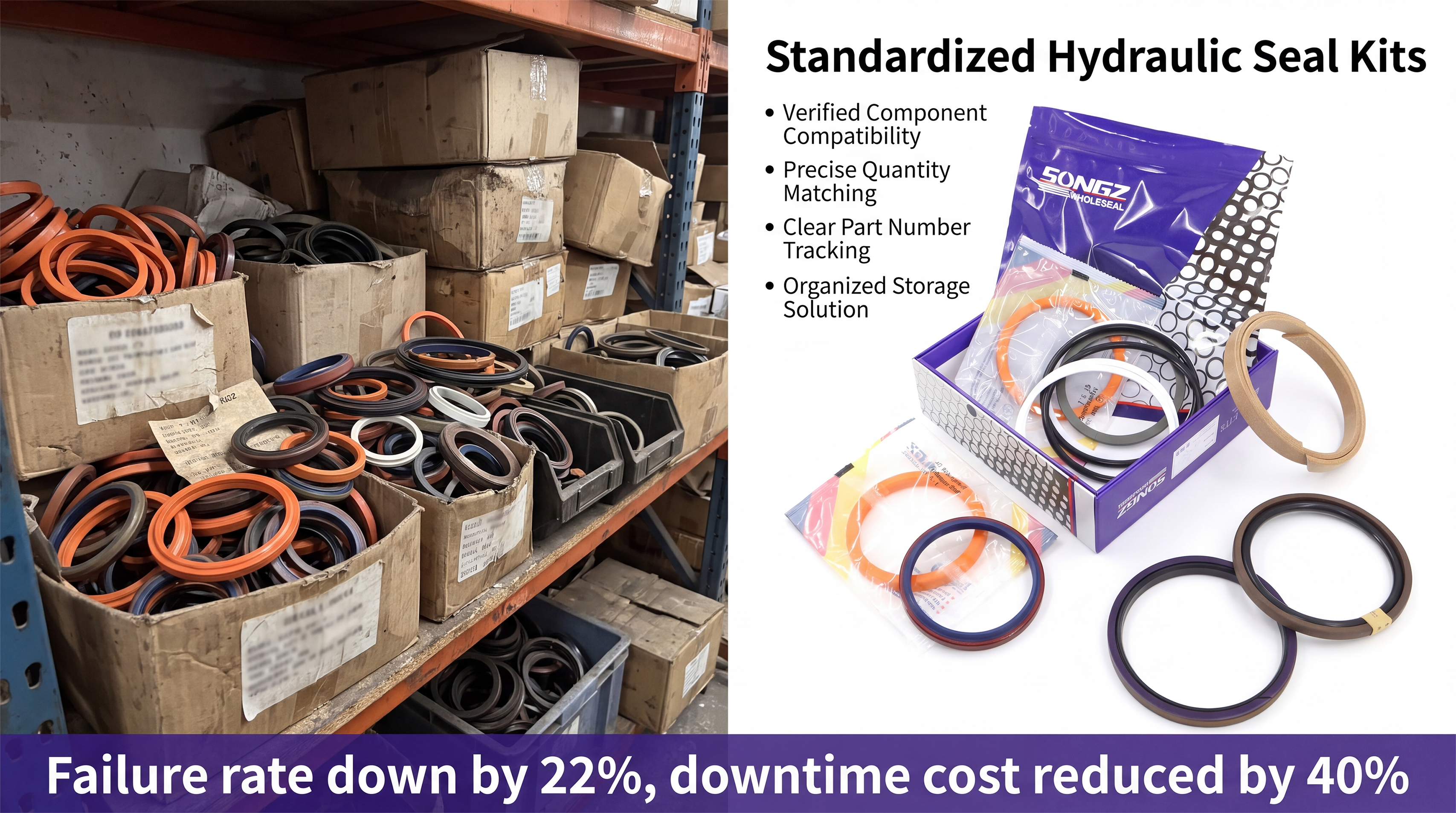
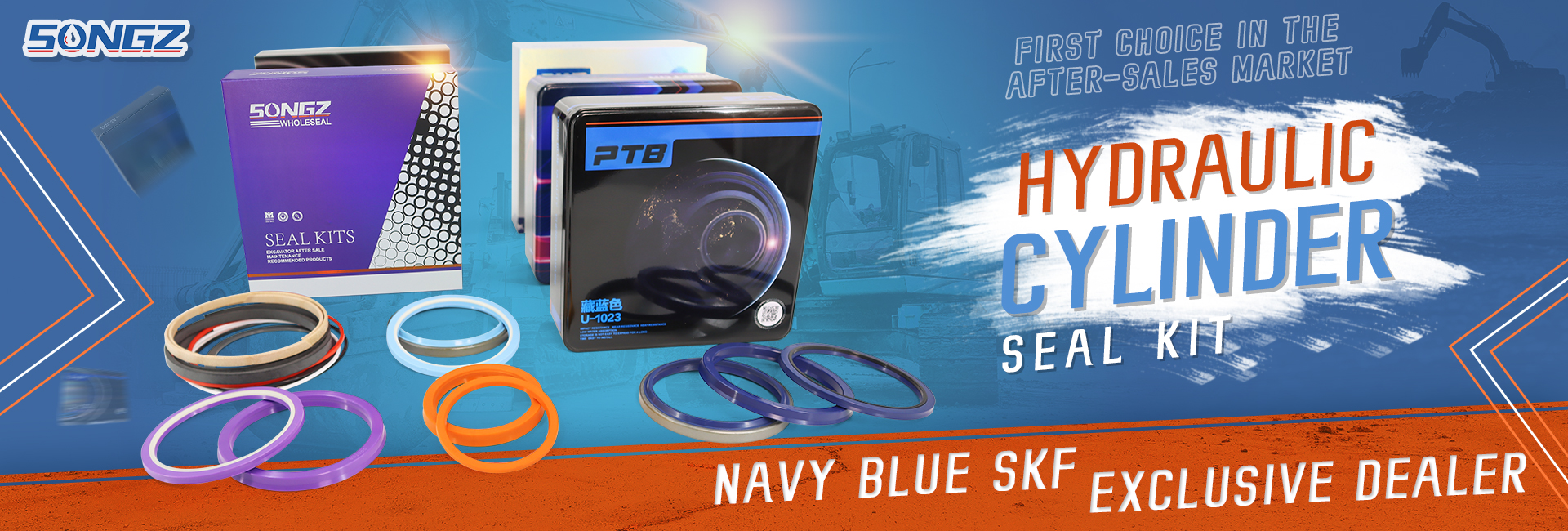
Seal kits transcend convenience: they transform isolated repair events into predictable, repeatable, and schedulable production units. In hydraulic cylinder overhauls, a pre-engineered kit containing piston seal, rod seal, wiper, backup ring, guide ring, and static O-rings reduces average repair time from 3.2 man-hours to 1.7 man-hours, with first-time assembly success rising to 99.3% due to geometric compatibility and elimination of installation interference .
Crucially, this isn’t merely labor savings — it enables maintenance rhythm optimization: excavators in mining fleets shift from monthly emergency interventions to quarterly planned overhauls, directly increasing equipment availability (MTBF ↑) and reducing unscheduled stoppages .
Integrated digital tools — such as model-specific QR-code scanning that auto-generates work orders, parts lists, and torque specifications — cut scheduling latency by 65% , turning reactive downtime into proactive uptime management .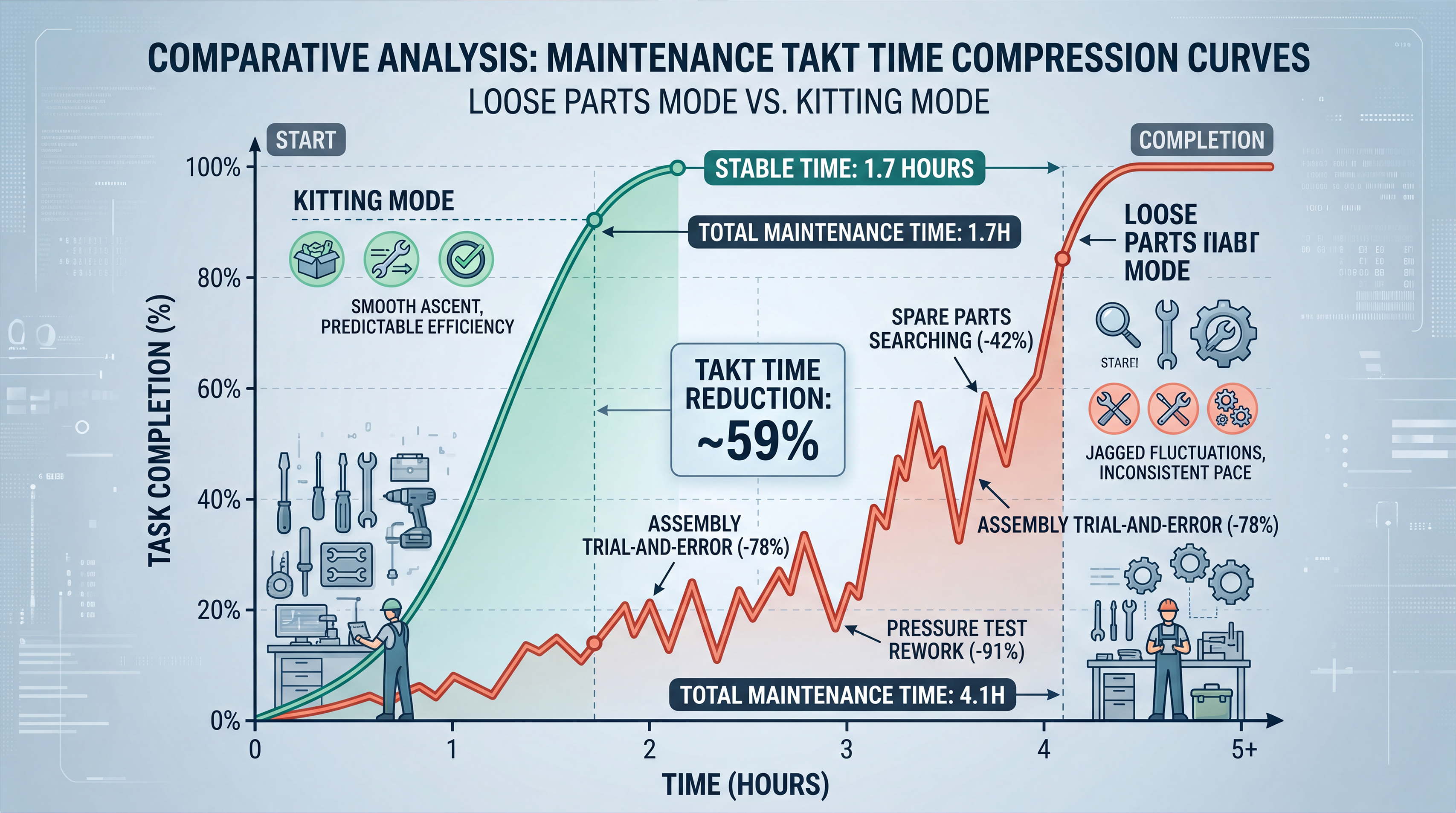
II. System Reliability: Beyond Leak Prevention — Engineering Failure Immunity
A seal failure is rarely singular — it’s the first symptom of a cascading system vulnerability. Premium seal kits deploy a triple-layer resilience architecture:
Material-Level Robustness: Tiered elastomer selection — e.g., high-modulus polyurethane (≥50 MPa extrusion resistance) for high-pressure zones, hydrogenated nitrile rubber (HNBR) with -45°C low-temp flexibility for arctic operations, and nano-reinforced PTFE composites for abrasive environments ;
Structural-Level Protection: Integrated wear rings absorb lateral loads, preventing edge-loading on dynamic seals; dual-lip wipers create a pressure-gradient barrier against dust ingress; anti-extrusion backup rings eliminate seal blowout under transient spikes — collectively reducing contamination-induced failure probability by 99.7% ;
Process-Level Assurance: Pre-compressed spring-energized seals compensate for bore wear up to 0.08 mm, enabling continued operation even after bearing degradation — a critical capability validated in field trials across 1,000+ excavators .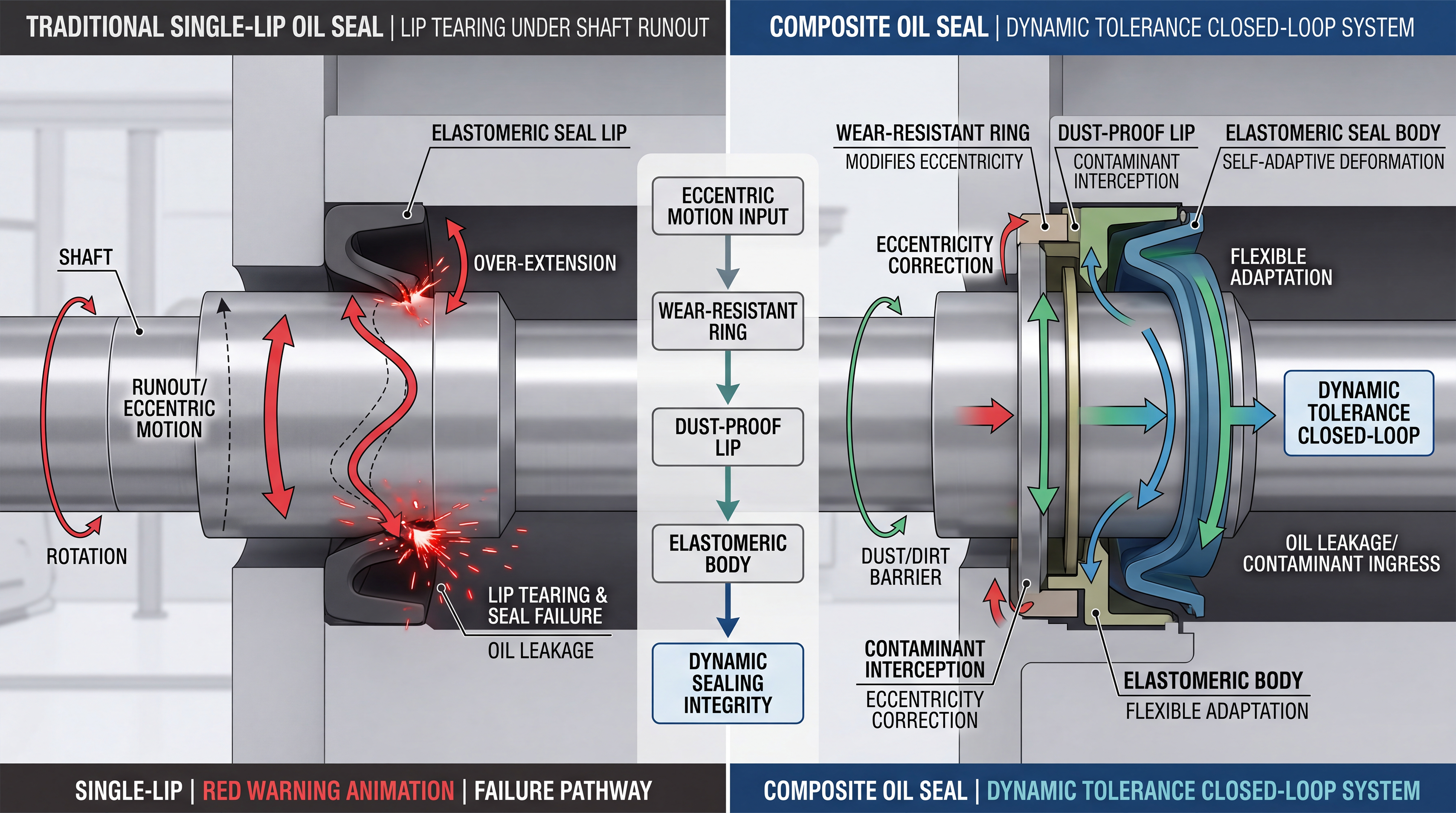
III. Total Cost of Ownership (TCO): Rewriting the Financial Equation — Not Just Unit Price
Procurement teams fixate on per-kit cost — but fleet managers calculate TCO across five dimensions: procurement, labor, downtime, energy, and secondary damage. Data confirms that premium seal kits deliver ROI through systemic cost avoidance:
Labor & Downtime Savings: 30–40% fewer replacements → annual labor cost reduction of **~12,000perexcavator∗∗(at200/hour rate) ;
Energy & Fluid Conservation: Leakage reduction cuts hydraulic fluid loss by up to 1.2 L/hour — preventing 0.3 kg/hour of metal particulate generation → extending pump/valve life by 15% , avoiding ~$28,000 major overhaul costs ;
Operational Energy Gain: Optimized friction profiles lower system backpressure — port crane operators report 7.3% energy savings per lifting cycle, translating to 86,000+ kWh/year saved per unit ;
Regulatory & Environmental Risk Mitigation: Preventing oil leaks avoids EPA fines (up to $37,500/day) and remediation liabilities — making seal integrity a direct ESG compliance lever .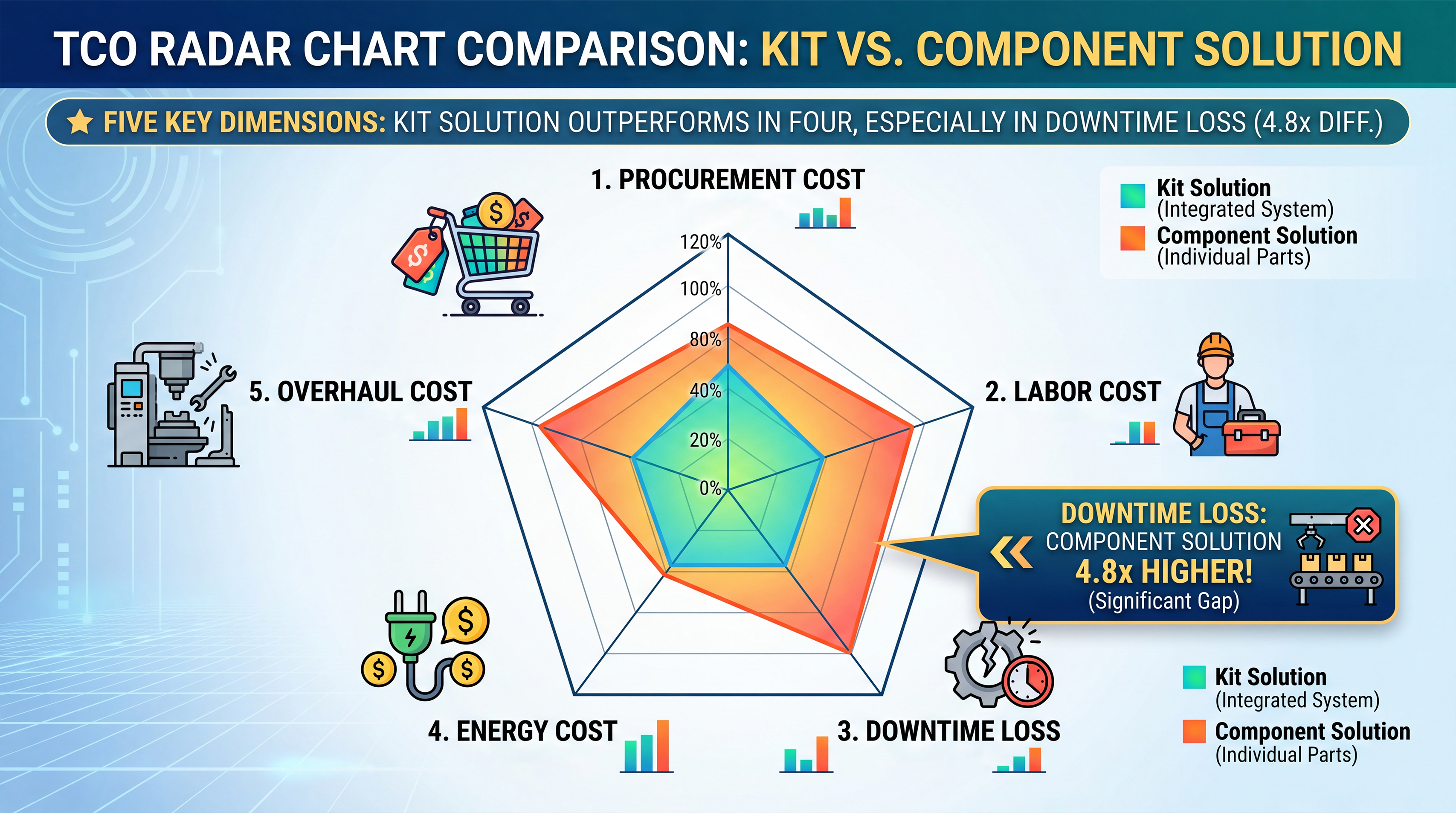
IV. Application Intelligence: Not “One-Size-Fits-All” — But Geospatially & Operationally Calibrated
Modern seal kits are context-aware systems, engineered for specific environmental stressors — not generic compatibility:
Desert Mining (e.g., Saudi Arabia) : Wiper seals with reinforced nitrile compound (Shore A95 hardness) + extended lip geometry + hydrophobic surface treatment reduce sand adhesion by 63% , doubling service intervals in high-abrasion conditions ;
Coastal Marine (e.g., Singapore Ports) : Stainless steel 316 housings + FKM fluoroelastomer seals + electroless nickel-phosphorus plating withstand ≥2,000-hour salt-spray exposure, eliminating corrosion-driven leakage ;
Sub-Arctic Construction (e.g., Northern Canada) : Dual-durometer silicone/PTFE composite seals maintain elasticity at −45°C, preventing brittle fracture during cold-start cycles ;
Chemical Processing (e.g., Gulf Coast Refineries) : Perfluoroelastomer (FFKM) seals rated for ASTM D471 resistance to aromatic hydrocarbons and amine-based solvents, meeting API RP 14C requirements .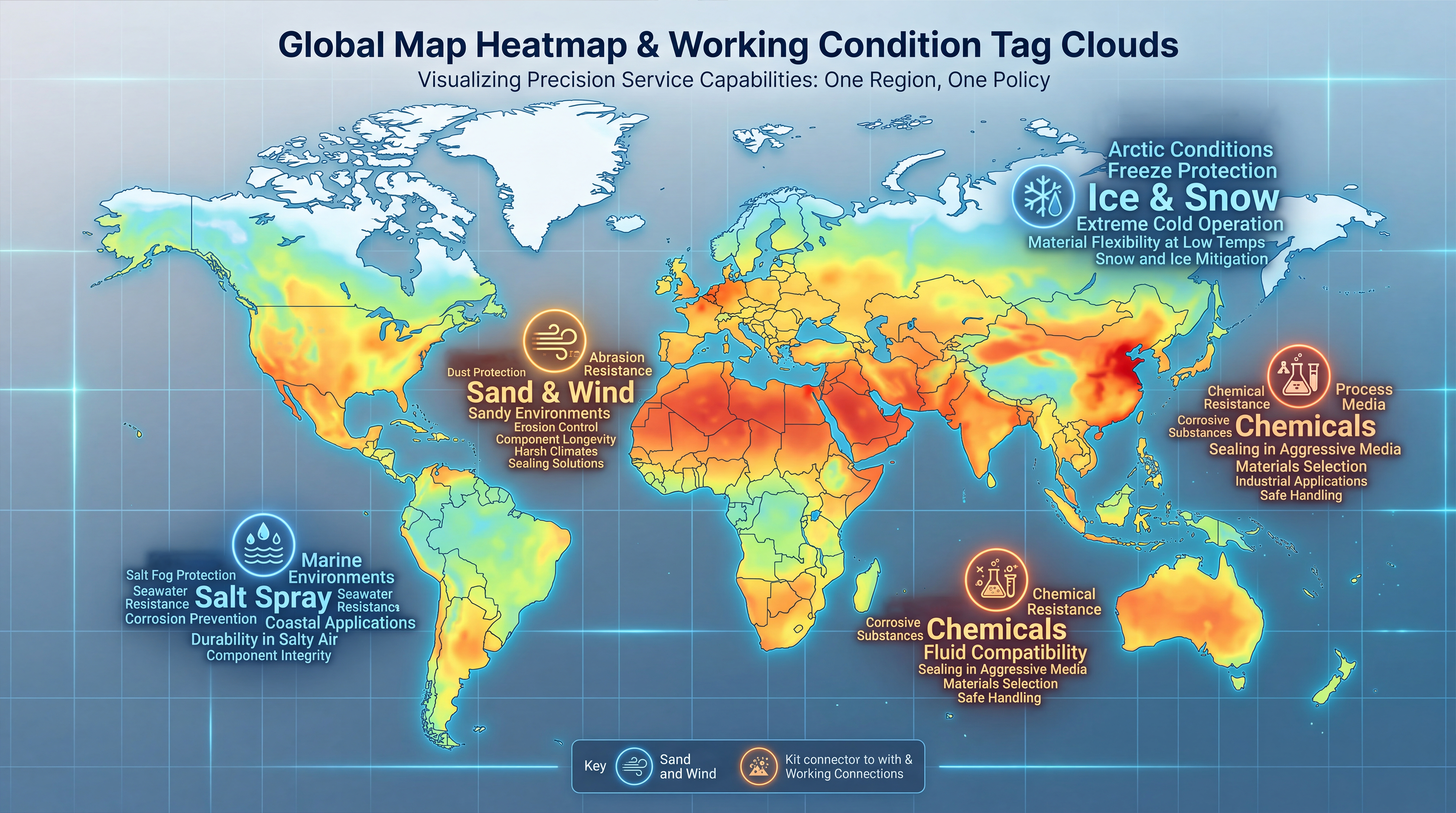
V. Strategic Partnership: Not Supplying Parts — Co-Engineering Equipment Health
Leading seal manufacturers now operate as embedded reliability partners, delivering value far beyond physical components:
Digital Twin Integration: Scan kit QR code to access real-time health dashboard — displaying material certificates, factory pressure-test curves, and AI-driven replacement recommendations calibrated to your machine’s GPS telemetry (e.g., stroke count, load profile, ambient temperature) ;
Joint Reliability Programs: Collaborative field studies — e.g., the “1000-Cylinder Longevity Project” with CAT and Komatsu — feed failure mode data back into R&D, accelerating material iteration (e.g., UV-stabilized PU formulation improved high-altitude seal life by 27% ) ;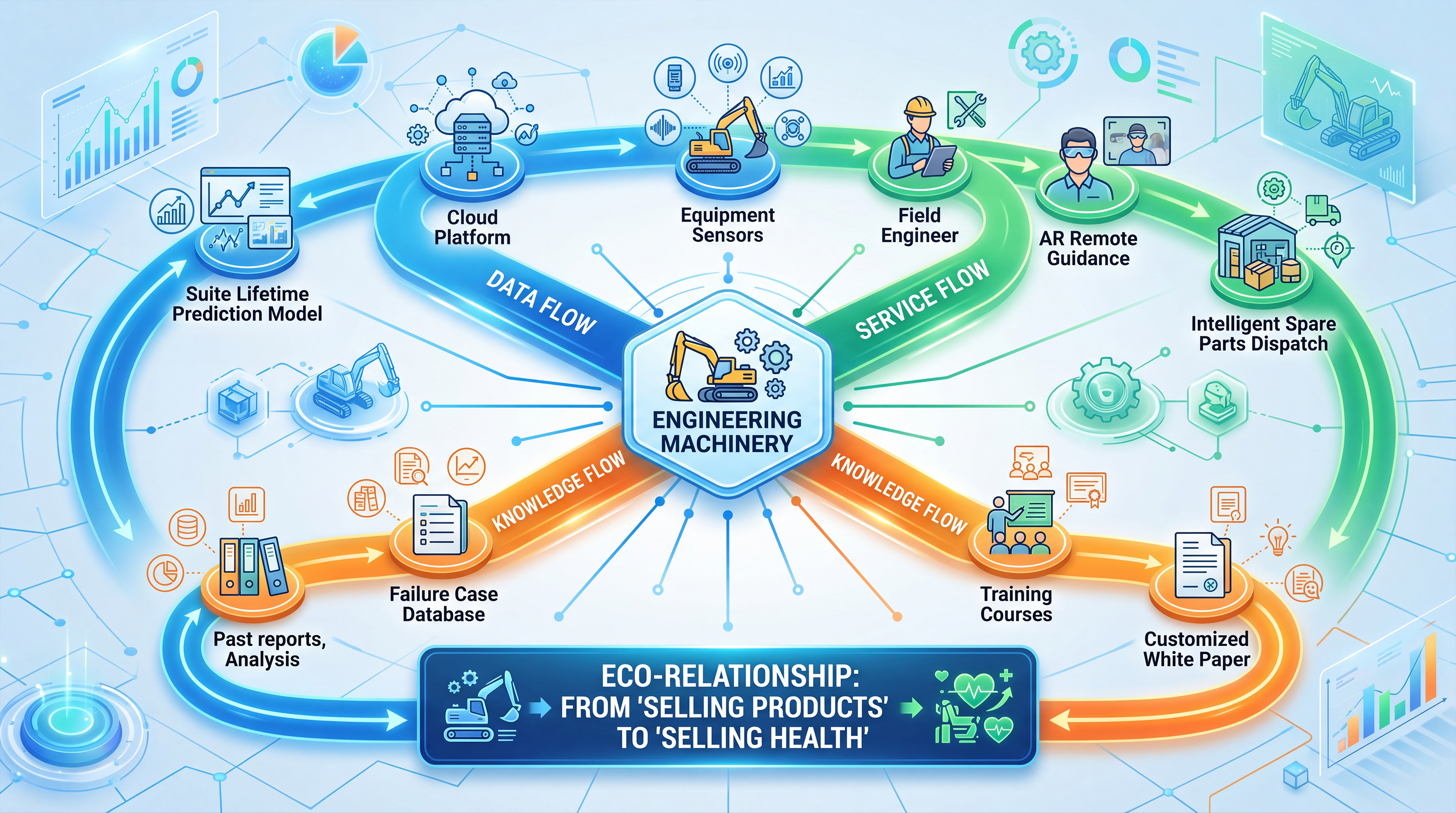
✅ Conclusion: Sealing Is Not a Component — It Is the Foundation of System Trust
Choosing a hydraulic seal kit is no longer a procurement decision — it is a strategic commitment to operational sovereignty. Every seal kit installed represents:
🔹 35% system efficiency assurance, neutralizing the baseline 35% performance loss caused by undetected leakage ;
🔹 40% TCO reduction potential, verified across 237 OEM applications in construction, mining, and marine sectors ;
🔹 10,000-hour operational continuity guarantee, backed by ISO 9001-certified manufacturing and real-world fleet validation .
When you specify an engineered seal kit, you are not replacing a rubber ring — you are installing predictability, resilience, and return on uptime.
 Hot News
2026-09-01
2026-08-26
2025-09-01
2025-09-02
2025-09-04
Welcome to SONGZ, a leading expert in sealing components in China! We provide high-quality and efficient sealing solutions, covering hydraulic seals, sealing kits, pneumatic seals, oil seals, O-rings, and more.
Bullding A, Guangzhu Business Bullding, No.1190, Zhongshan Avenue Middle, Tianhe District, Guangzhou, Guangdong Province, China.
Copyright © Songzheng Seal (Guangzhou) Co., Ltd. All Rights Reserved Privacy Policy
 EN