I.Base Materials: The Contest of Traditional Players
1. Rubber Sealing Materials: Synonymous with Elasticity & Toughness
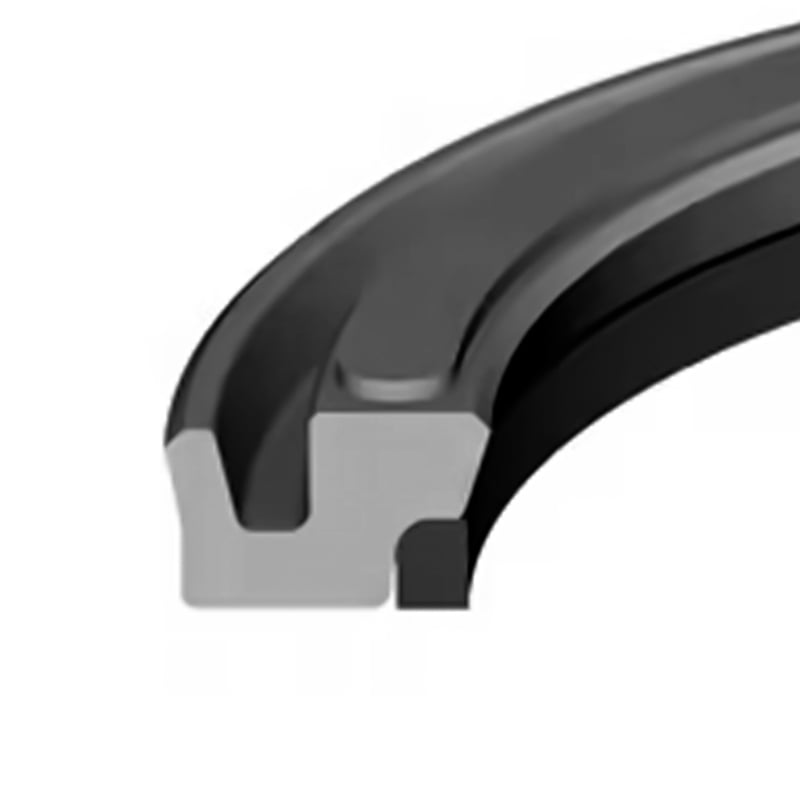
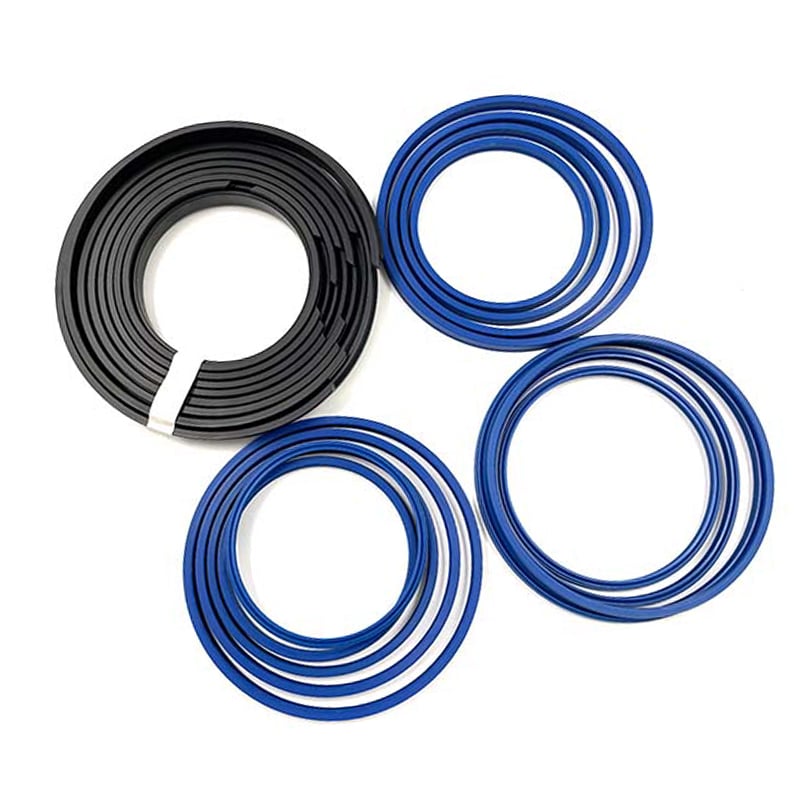
`Nitrile Rubber (NBR) : Superior oil resistance (petroleum-based hydraulic oils, fuels), operating temp: -40~120°C, holds 75% market share in automotive seals.
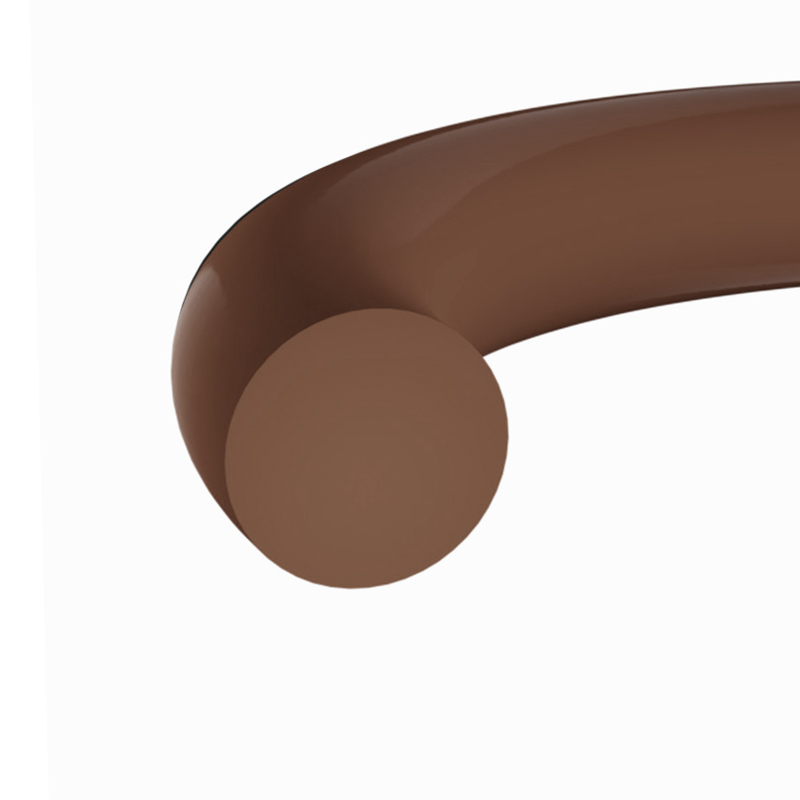
`Fluorocarbon Rubber (FKM) : Withstands 250°C + strong acids/alkalis, triples service life in chemical reactor seals.
`Silicone Rubber: Ultra-wide temp range (-60~230°C), preferred for NEV battery pack sealing.
2. Engineering Plastics: Breaking Limits in High Pressure & Corrosion
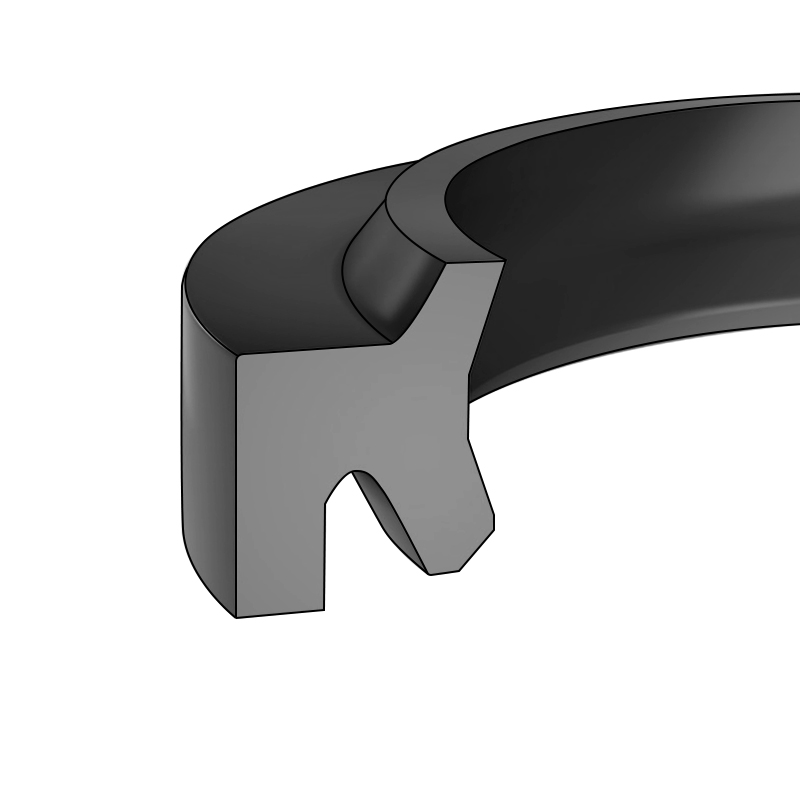
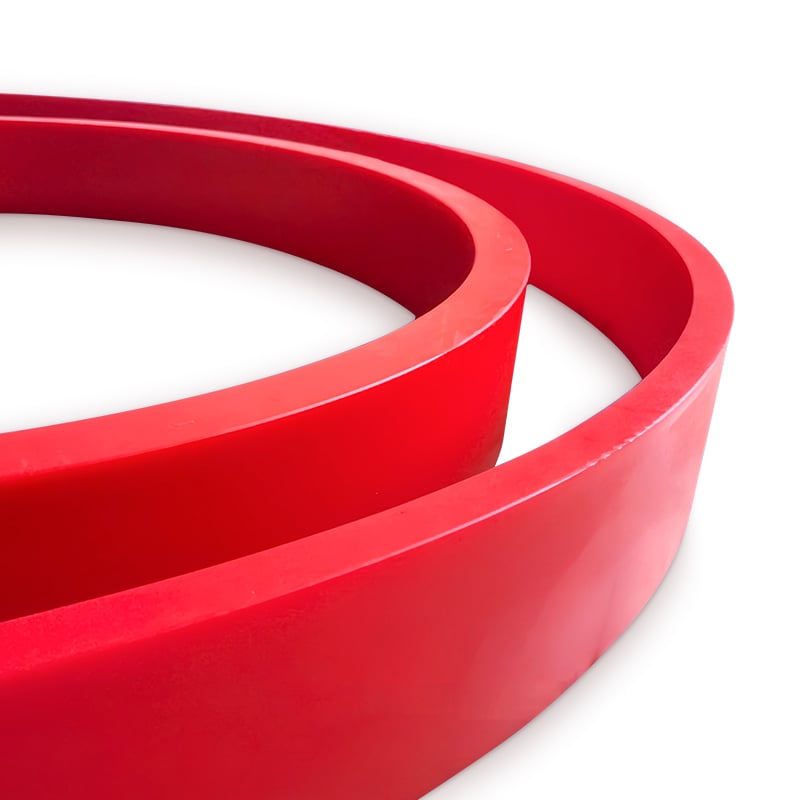
`Polyurethane (PU) : 5x wear resistance of natural rubber, ideal for shield machine hydraulic cylinders (60MPa).
`PTFE: Friction coefficient 0.04, leakage <0.01mL/min in chemical pump seals.
`Modified Nylon: Carbon-fiber reinforced PA66 guide rings, 200% higher impact strength.
3. Metal Seals: Final Defense in Extreme Conditions
`Stainless Steel/Titanium Alloy: Nuclear reactor pump seals endure 816°C/25MPa, 60% localized production rate.
`Copper-Clad Gaskets: Thermal conductivity 380W/(m`K), solves sealing for high-power chip heat sinks.
II. Composites: Where 1+1>2
1. Organic-Inorganic Hybrids
`Graphene-Reinforced Rubber: 50% higher tensile strength, XCMG mining equipment seals exceed 20k service hours.
`PTFE-Aramid Laminates: 45MPa pressure tolerance, 90% fewer leaks in deep-sea drilling seals.
2. Smart Response Materials
`Shape-Memory Alloy Seal Rings: Auto-shrinks at >150°C to compensate clearance, 40% efficiency gain in aero-engines.
`Self-Healing Elastomers: Micro-capsules repair 0.5mm cracks, extends wind turbine gearbox maintenance to 5 years.
III. Future-Defining Innovations
1. Bio-Based Eco Materials
`Soybean-Oil Modified Rubber: 53% lower carbon emissions, adopted in SANY's green machinery.
`Alginate Gel Sealants: >95% biodegradability, 28% CAGR in medical device seals.
2. Nano-Enhanced Materials
`CNT/Rubber Composites: 300% higher thermal conductivity, resolves EV motor sealing heat dissipation.
`MoS₂-Coated Metal Seals: Friction coefficient drops to 0.02, cuts industrial robot joint energy use by 15%.
IV. Industrial Shift: Tech Convergence & Ecosystem Upgrade
|
Trend |
Key Tech |
Impact |
|
Smart Manufacturing |
AI-driven sealing face precision (±0.1μm) |
70% leakage reduction → $42k/yr savings |
|
Digital Twins |
100k dynamic seal simulations |
60% shorter R&D cycles |
|
Circular Economy |
Waste seal pyrolysis regeneration |
85% material reuse, 38% cost cut |
Industry outlook
With the explosive demand in emerging fields such as new energy and semiconductors, the global market size of sealing materials is expected to exceed $150 billion by 2030. Functional compositeness (sealing + thermal/electrical conductivity), green manufacturing (zero-carbon production process), and intelligent services (blockchain traceability + predictive maintenance) will become the three core growth poles.
 Hot News
2026-09-01
2026-08-26
2025-09-01
2025-09-02
2025-09-04

Welcome to SONGZ, a leading expert in sealing components in China! We provide high-quality and efficient sealing solutions, covering hydraulic seals, sealing kits, pneumatic seals, oil seals, O-rings, and more.
Bullding A, Guangzhu Business Bullding, No.1190, Zhongshan Avenue Middle, Tianhe District, Guangzhou, Guangdong Province, China.
Copyright © Songzheng Seal (Guangzhou) Co., Ltd. All Rights Reserved Privacy Policy
 EN
EN